
ARTICLE > VAGINAL TEARS
How to Exercise Safely After a Tear
Recovery from a vaginal tear is not just about rest. Properly adapted exercise can actually reduce the strain on the pelvic floor and better support the whole body. This is a guide to a safe and smart start.
⚡️ Article in brief
- Exercising the whole body is beneficial for relieving the pelvic floor
- New Mama - vaginal birth is your week-by-week recovery plan for the first 8 weeks
- Breathe through the exercises and vary the positions if necessary!

Strengthen Your Body - and Protect Your Pelvic Floor
The stronger your arms, legs and trunk are, the less strain your pelvic floor will experience in everyday life. This is why full-body exercise is an important part of recovery after a vaginal delivery with a tear.
In the app Mammaträning, you'll find tailored programs focused on just that - designed by our physiotherapists.
Safe Training After a Tear
- Breathe through all exercises! Holding your breath increases downward pressure - which can strain the pelvic floor. Breathe calmly and evenly throughout the movement.
- Vary the positions - Sitting or lying down exercises put less strain on the pelvic floor than standing. Does something feel uncomfortable? Change to another position! If you need to adjust most of the exercises, it is a good idea to try a session at an easier level.
- Strengthen your whole body! Strengthen your arms, shoulders, butt, and legs with smart workouts in the app to give your body the right focus.
- Listen to your body! If you experience increased urine leakage or heaviness:
- Breathe through the exercise
- Reduce range of motion
- Increase rest between exercises
- Try an easier level in the app
💖 New mother - vaginal delivery
8-week training program with a focus on recovery and control. Created by Mammatränings' physiotherapists - with you in mind!

Training Program After a Tear
In the New Mama - Vaginal Birth program, our physiotherapists have created a recovery plan with vaginal tears in mind. Over 8 weeks, the program takes you from gentle rehab to more strenuous exercise in a gentle way.
I (Carolina) coach you through the sessions on screen, and give you tips along the way so you learn more about the body and pelvic floor while we do the sessions together.
Choose the Right Level - 0 to 5 in the App
If you prefer to train on your own, the level system in the app is perfect for you. You can easily choose your level, and shuffle workouts based on how long you want to train and what equipment you have.
✨ Level 0-2: For those who have just given birth
In these levels we focus on sitting and lying exercises that reduce pressure on the pelvic floor. Perfect if you've recently given birth or are recovering from a tear.
💪🏼 Levels 3-5: When you're ready to challenge your body
If you train effortlessly in the lower levels, you can gradually increase the load. The aim is to build up the strength in your body so that even heavier exercises are gentle on your pelvic floor.
It's Okay to Adjust - Training is a Process
Do you feel discomfort in your pelvic floor after a workout? Don't worry - it doesn't mean anything is wrong. Adjust for next time. The most important thing is that you exercise at a level that feels good for you. And remember: your body needs to be challenged sometimes to get stronger!

Article written by
Carolina Jozic
Physiotherapist
⚡️ Download Mammaträning
- Exercise programs created by physiotherapists for the different levels of the pregnancy and postpartum journey
- 2000+ workouts at your level, with the equipment you have at home
- 120 articles about the body, exercise and running during and after pregnancy
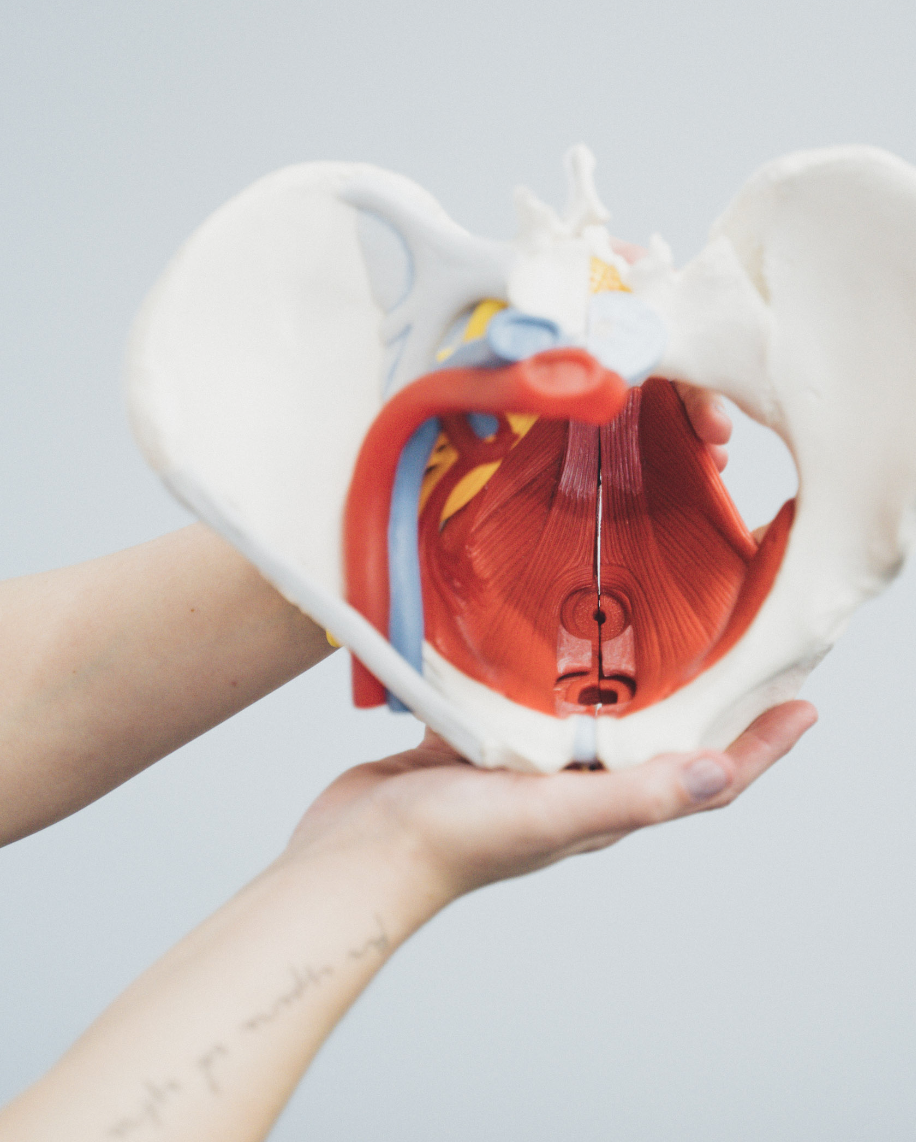
Pelvic Floor During Pregnancy
During pregnancy, the pelvic floor is exposed to increased stress, which can cause
Exercise during pregnancy – how exercise works during pregnancy
Pregnancy exercise has many positive health benefits for both mother and baby.
Welcome to Mammaträning!

Vi is a training app for those who are or have been pregnant. No matter where you are in your journey, the level will be adapted to your current conditions. Simple, fun and safe!

