
ARTICLE > FEAR OF EXERCISE
Afraid to exercise after giving birth?
Being afraid to exercise after giving birth is more common than you might think. Many people have been told to wait months—or to put exercise aside entirely—if they have, for example, abdominal muscle separation (diastasis)—advice that usually does more harm than good. Daring to exercise is actually one of the best things you can do for your recovery.
 Article in Brief
- Fear of exercise often does more harm than good—the body is designed to move, even after pregnancy
- Abdominal muscles need to be challenged to get stronger, not complete rest
- After a C-section, you’ll need to take a little extra care during the first few weeks—but that doesn’t mean you should avoid or be afraid of moving around
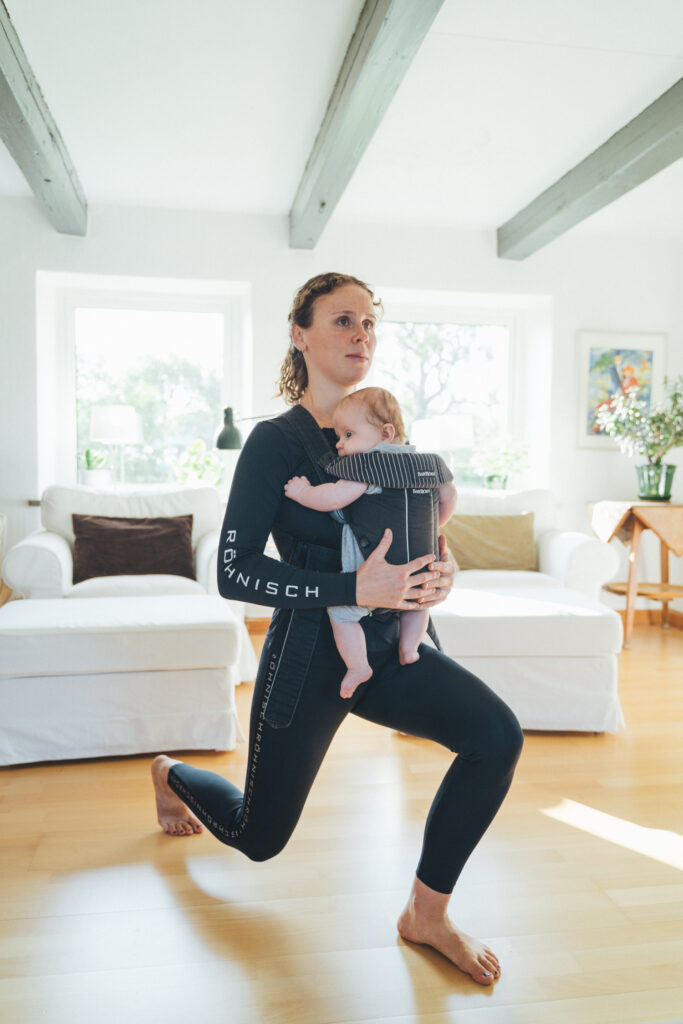
That's why you don't need to be afraid to exercise
As physical therapists, we see women every day who are afraid to move after giving birth. It’s not uncommon for them to have been advised to avoid heavy lifting, to avoid exercises that target the abdominal muscles, to avoid running, or, in fact, to avoid exercising at all—for an extended period of time.
Such advice is often well-intentioned but incorrect, and the fear of “doing something wrong” or “ruining something” keeps women sedentary. This leads to BIGGER problems in the form of back pain, weakness, and symptoms that don’t improve. A lack of exercise is therefore often the root of the problem. After all, the body is designed to move, even after pregnancy.
Want the full answer on exactly when you can resume different types of exercise? Read our article“When to Start Exercising Again After Giving Birth.” In it, we go over what kinds of exercise you can do and when.
 Start exercising as early as the maternity ward
 Start exercising as early as the maternity ward
The "New Mom" program offers an 8-week recovery program created by Carolina Jozic, a licensed physical therapist. The program focuses on helping you start to feel confident about moving around.

Are my abdominal muscles strong enough to exercise after giving birth?
Abdominal muscles are just like any other muscles and need to be challenged to get stronger. Right after pregnancy, we should start gently and then gradually increase the intensity, but many people exercise too lightly out of fear. Think of it this way: if the exercise feels good, you don’t get a big, pronounced “bulge” in your stomach, and you can control your abdominal pressure—then it’s okay to challenge your core a little more about 8 weeks postpartum.
Does the pelvic floor need to be protected from all stress?
During a vaginal birth, the pelvic floor stretches significantly, but that doesn’t mean it will remain weak forever. Once again, the key is to start at a gentle level and gradually increase the intensity.
Do you have any symptoms such as urinary leakage, pain, or a feeling of heaviness? If not, that’s a good sign that your pelvic floor is healthy, and you can feel confident about exercising—as long as you increase the intensity gradually.
If it’s been 3–6 months since you gave birth and you’re still feeling well, your body is usually ready for most activities. That includes running, jumping, and heavy lifting. If you experience any symptoms, scale back to a level your body can handle. It’s not about avoiding exercise, but about adapting it.
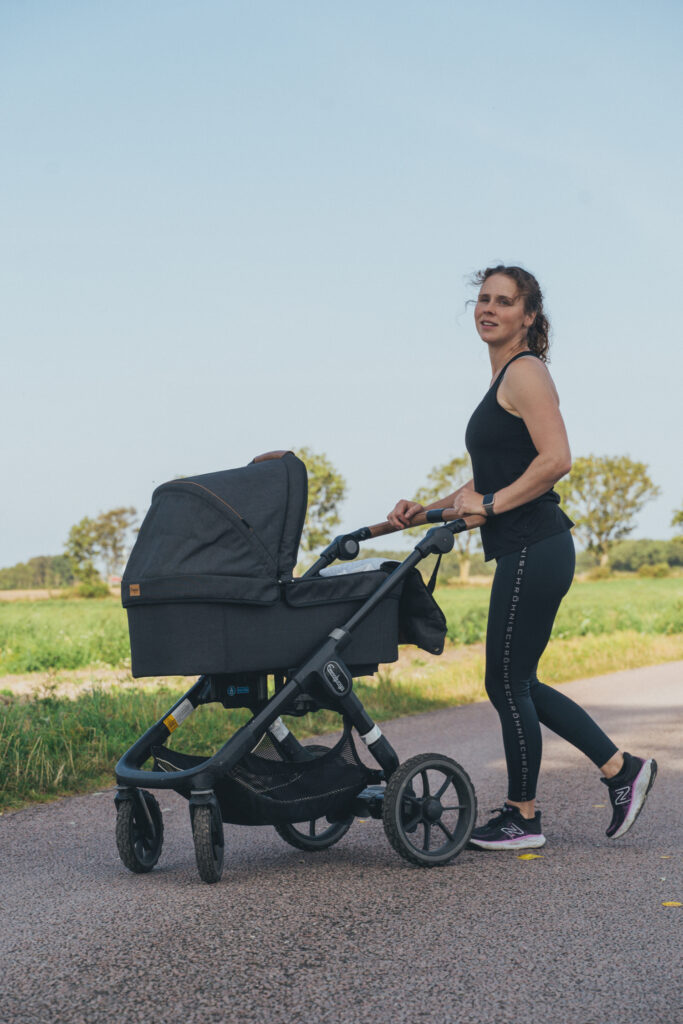
Does the same advice apply after a C-section?
The pelvic floor has been affected during pregnancy, but the difference is that women who’ve had a C-section also have a scar that requires extra care during the first few weeks. We want to improve circulation throughout the body through walks and simple exercises to aid recovery and reduce the risk of blood clots, and you can actually start as early as the maternity ward.
The restrictions during the first few weeks—such as avoiding heavy lifting and twisting—are meant to allow the scar to heal undisturbed. But again, you can adjust your activity level and gradually increase it as the scar heals. By weeks three through six, the scar has already reached about 50% of its strength, and after 12 weeks, it’s at a full 80%.
If your doctor has given you specific restrictions, those, of course, always take precedence. If you want to feel even more secure during your recovery from your specific C-section, you can read more in our article on feeling secure after a C-section.
What should I do if I still have joint pain?
Many people still experience pelvic discomfort after giving birth. Exercise can make a big difference in relieving that pain. Try our program Goodbye, symphysis pubis pain, or seek help from a physical therapist who can guide you on the right path forward.
Bye, Pelvic Pain!
⭐️ A step-by-step plan for reducing your pelvic pain
⭐️ For pregnant women and mothers
⭐️ Our Physical Therapists' Top Exercises
⭐️ Articles and lectures on joint pain

We're with you every step of the way
The app Mammaträning offers exercise programs for every stage of your recovery, whether you gave birth vaginally or by C-section. If you can’t find the answer to a specific question, please feel free to contact us, and we’ll add it to our article database.
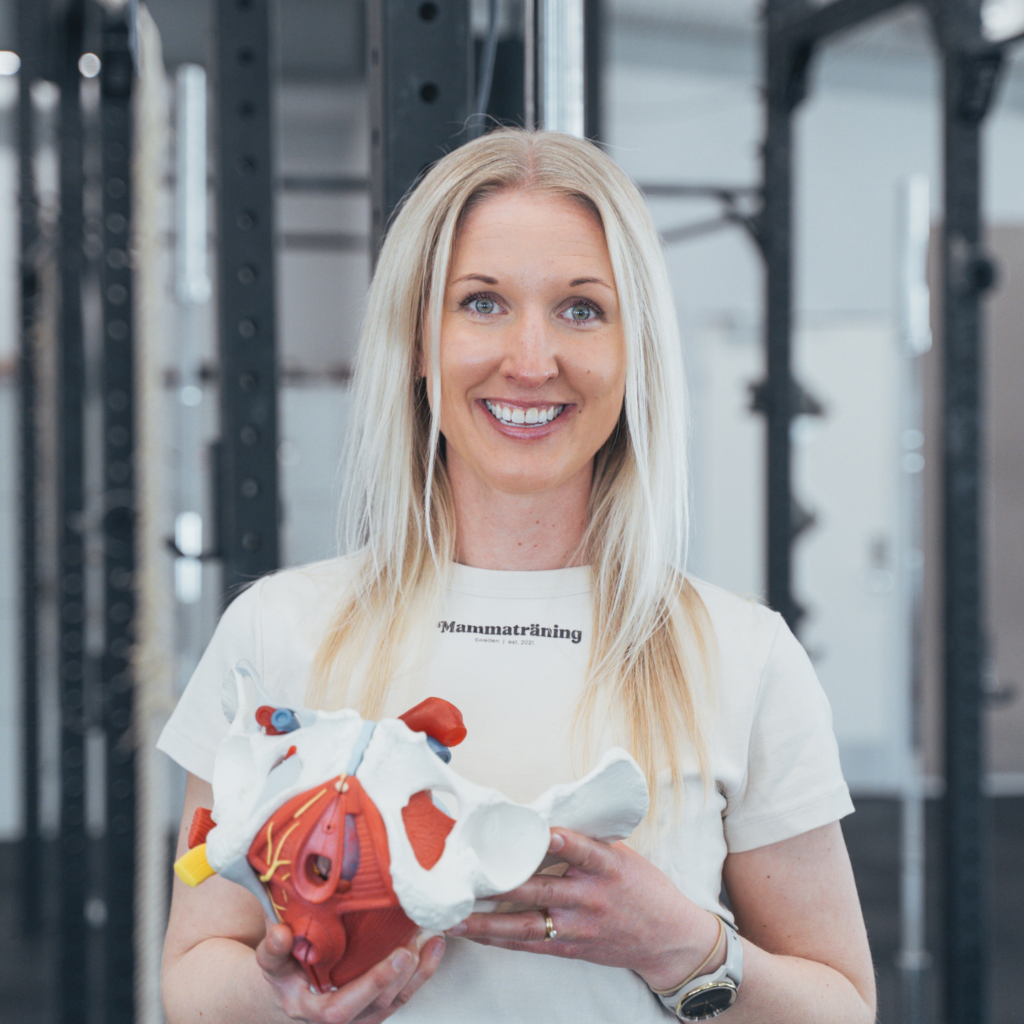
Article written by
Viveka Österholm
Physiotherapist
⚡️ Download Mammaträning
- Exercise programs created by physiotherapists for the different levels of the pregnancy and postpartum journey
- 2000+ workouts at your level, with the equipment you have at home
- 120 articles about the body, exercise and running during and after pregnancy
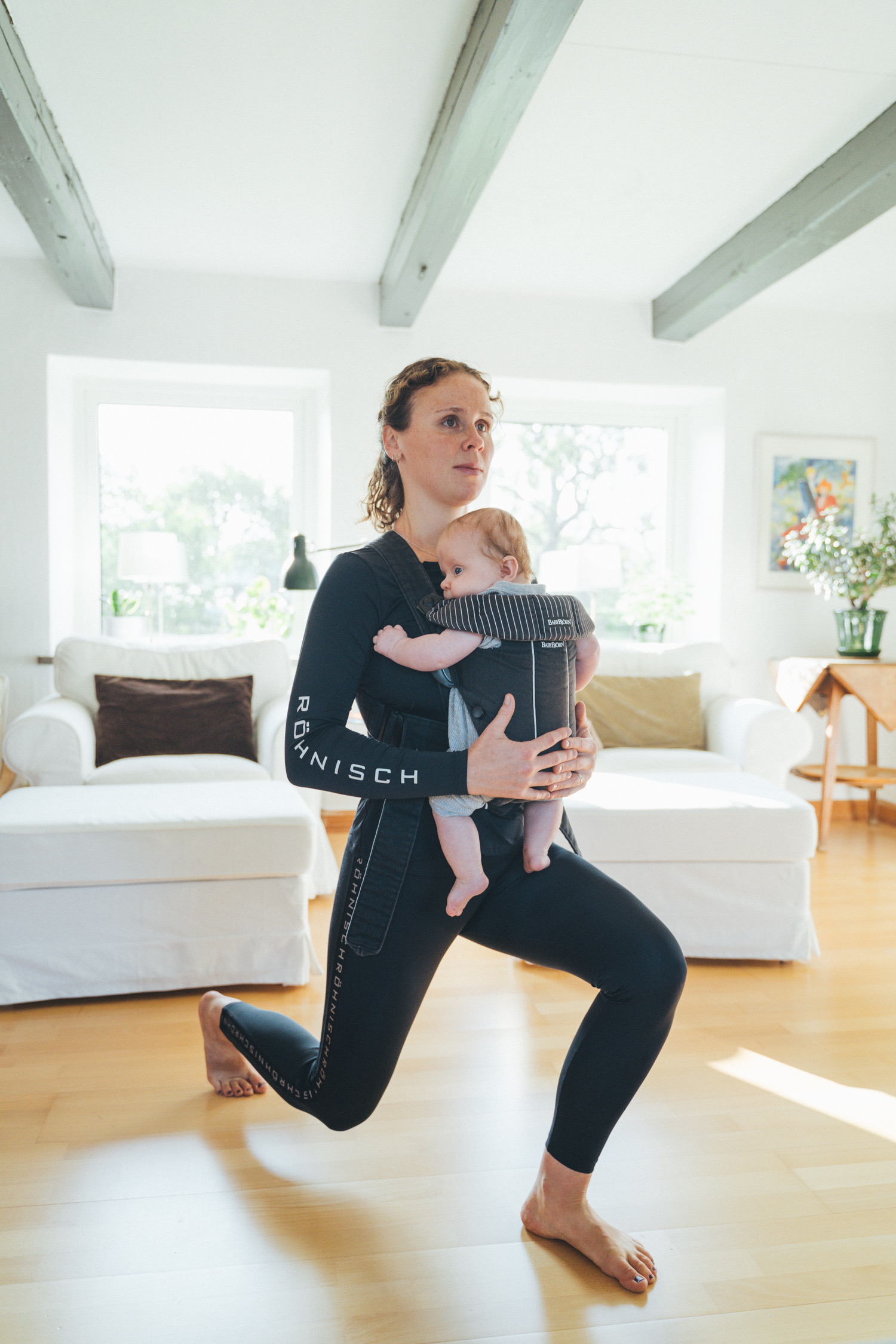

When can I start exercising after giving birth?
Are you eager to work out, but unsure of what to do?
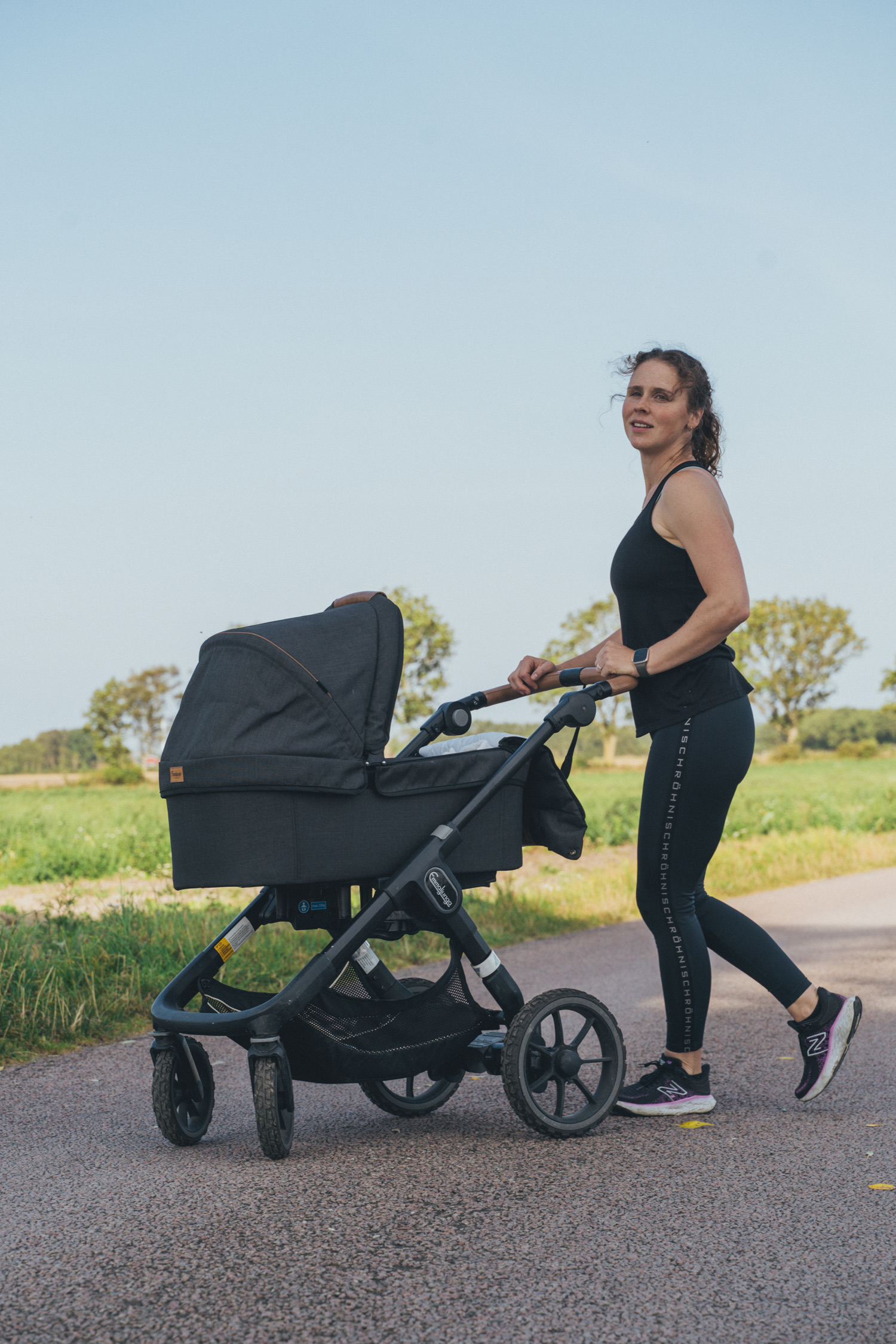
Start Running After Childbirth – A Guide to Running After Pregnancy
Here, we’ll help you get off to a good start in your
Choose Your Membership
Start a subscription to access all content in the app.


