
ARTICLE > Returning to Training
When can I start exercising again after giving birth?
Are you eager to get back to working out, but unsure of what you’re allowed to do and when? The short answer is that you can probably get started sooner than you think—but in a safer way than you imagined. Here, we’ll explain what the rules are—and why you don’t have to wait for your follow-up checkup!
⚡️Article at a Glance
- You can start doing low-impact activities, such as Kegel exercises, cycling with a trailer, and walking, right away at the maternity ward
- Jumping, running, and really heavy weightlifting should be postponed until at least 3–6 months after giving birth
- Your recovery is unique to you —base it on how your body feels, not on what others are doing
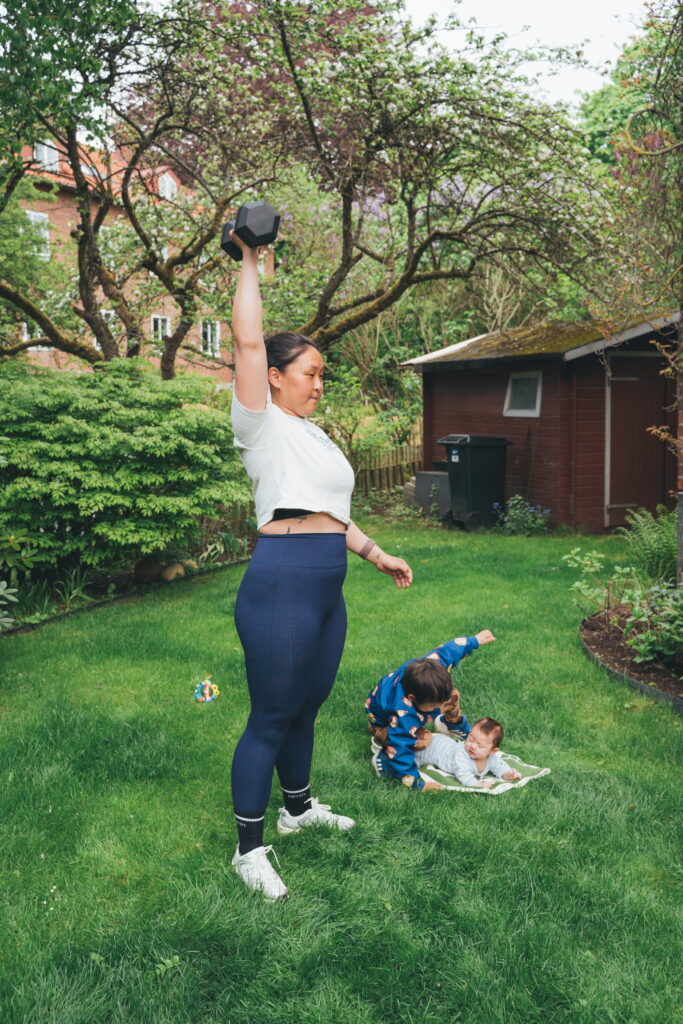
You don't need to wait for the follow-up checkup
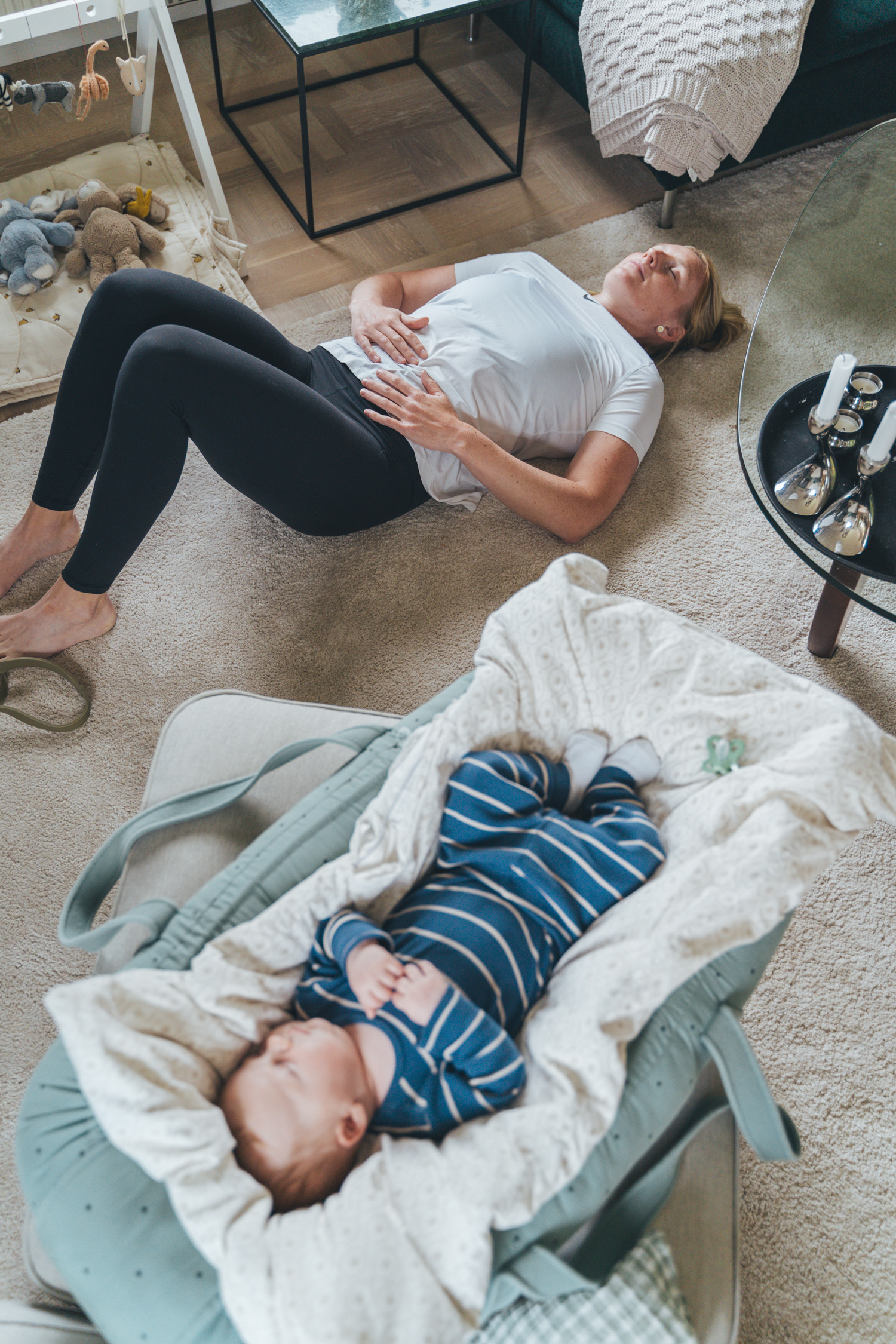
You can start getting back into exercise while you’re still in the maternity ward! Getting gentle exercise early on promotes recovery, and there’s no reason to wait until your follow-up appointment.
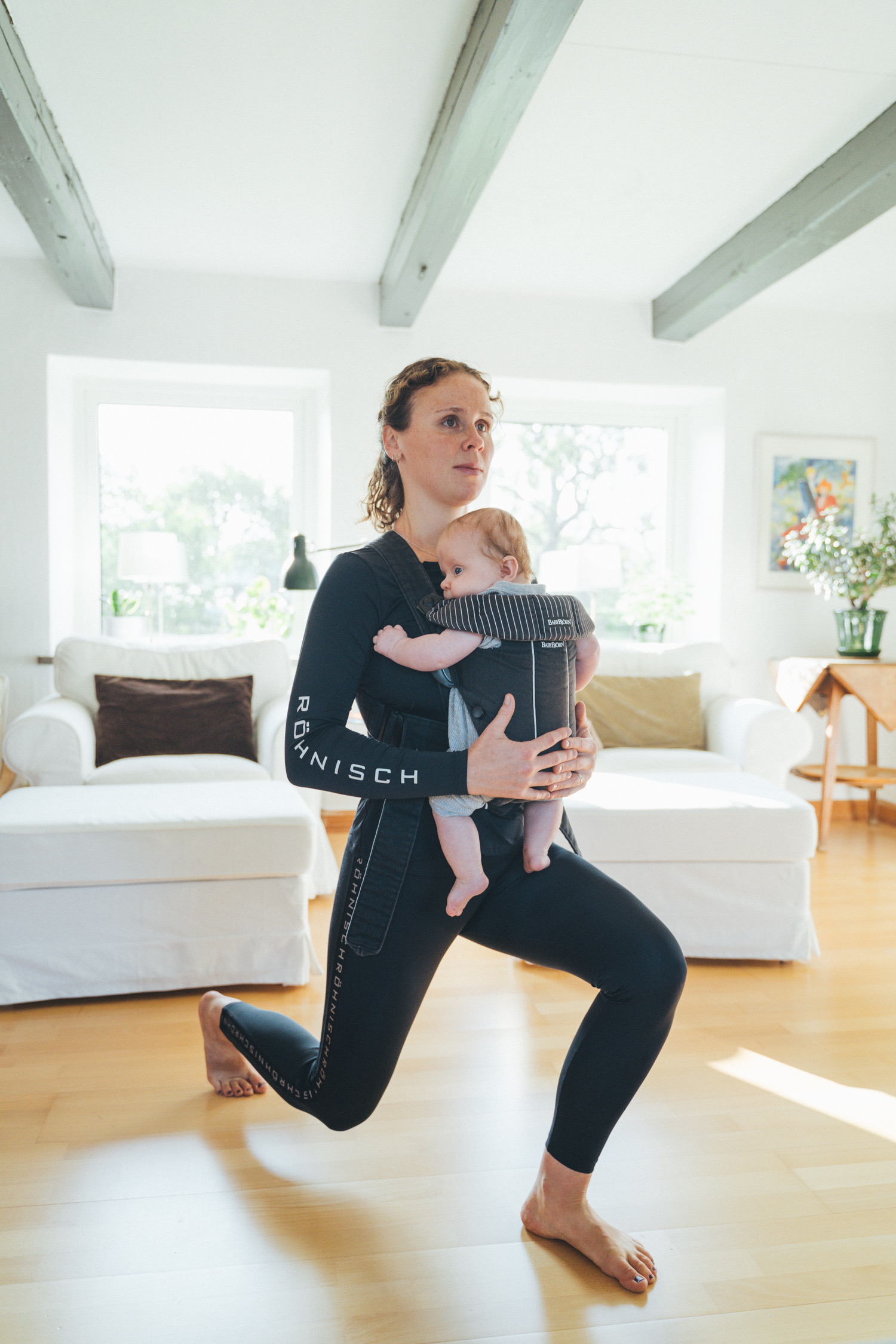
What counts as exercise varies from person to person (more on that in a moment), but light core exercises, breathing exercises, circulation exercises, and walks are fine right from the start, if you feel ready and have the energy.
If you want a clear plan to follow, the program is New Mom is perfect for the first 8 weeks postpartum.
When can I resume regular exercise after giving birth?
After the initial period, we need to gradually increase the intensity as recovery takes place. To continue improving, we need to challenge ourselves—and that’s why it’s important not to stay at a level that’s too easy for too long.
In the " Mammaträning " app, we offer you several clear programs to follow so you can safely ramp up your workouts—all created by physical therapists specializing in women’s health.
Jumping, running, and really heavy weightlifting are a different story. In those cases, the general recommendation is to wait at least 3–6 months after giving birth, regardless of the type of delivery.

That's why you shouldn't compare yourself to others
No two pregnancies or births are alike, and the same goes for getting back into exercise. Someone who felt great throughout her entire pregnancy and exercised right up until week 40 is at a completely different physical level than someone who experienced severe joint pain as early as week 10 and could barely move for several months.
The delivery itself also plays a role. Was it a complication-free vaginal delivery without any major tearing? Was it an emergency C-section, or perhaps a more serious birth injury? All of these factors influence where you are right now, and there’s no reason to compare your fitness level to anyone else’s. After all, you don’t know what that person’s journey has been like.

What actually counts as "exercise"?
Exercise means different things to different people, and that also affects when you feel like you’re “back to normal.” If swimming, walking, and yoga are your thing, you may very well be back to your previous level just a few months after giving birth. If long-distance running, CrossFit, or heavy weightlifting appeal to you the most, it’s more likely that you’ll start to approach your previous level no sooner than 6 months after giving birth.
How do I know if my body is ready?
Your body has been through a lot. The uterus will shrink back to its original size, the abdominal muscles will slowly come back together, and even during a completely uncomplicated vaginal delivery, the pelvic floor has been stretched by over 340%. There’s every reason to respect what your body has been through.
At the same time, it’s just as important that fear, finger-wagging, and unnecessary restrictions don’t dictate your path back to exercise. If you increase your workout intensity gently and gradually, and pay attention to how your body responds, there’s rarely any risk.
A simple checklist: If you aren’t leaking urine or stool, aren’t experiencing any pain or a feeling of heaviness in your lower abdomen during activity, your pelvis feels fine, and your abdominal muscles aren’t causing any symptoms, it’s probably okay to continue. If something doesn’t feel right, it’s time to scale back your workout a bit or seek help.
If your doctor has given you specific restrictions—for example, after a C-section or a severe tear—those restrictions, of course, take precedence over everything else.
💖 Ab split?
Carolina Jozic, a licensed physical therapist, teaches you in the app how to examine your own abdomen.
We're with you every step of the way
In the app Mammaträning , you’ll find more articles, video lectures with our physical therapists, and exercise programs tailored to where you are in your recovery. We’re with you every step of the way!
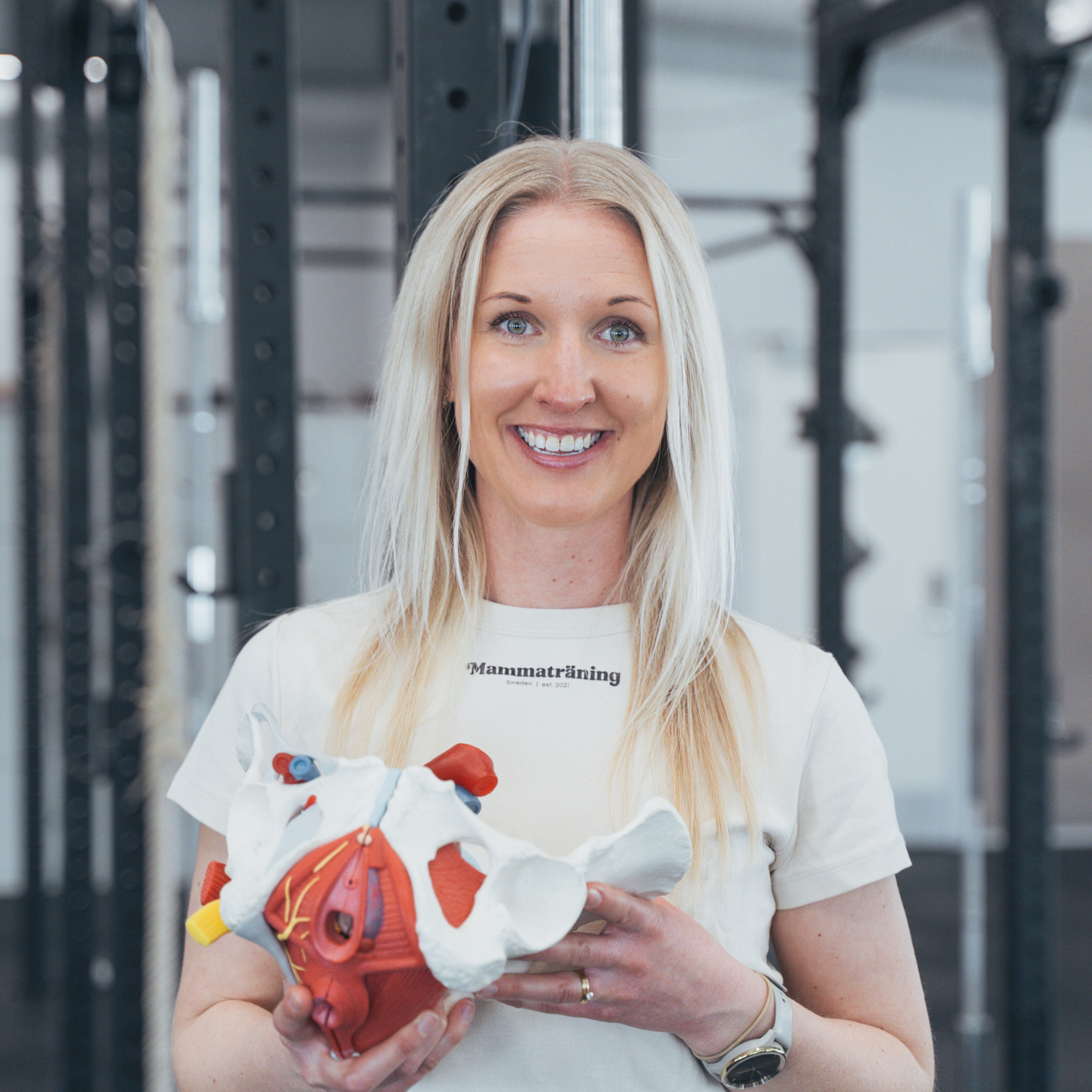
Article written by
Viveka Österholm
Licensed Physical Therapist
Viveka is a licensed physical therapist who specializes in pelvic floor issues, such as incontinence, joint pain, and pain during intercourse. She also has a special interest in post-surgical recovery.
Published September 10, 2026
⚡️ Download Mammaträning
- Exercise programs created by physiotherapists for the different levels of the pregnancy and postpartum journey
- 2000+ workouts at your level, with the equipment you have at home
- 120 articles about the body, exercise and running during and after pregnancy
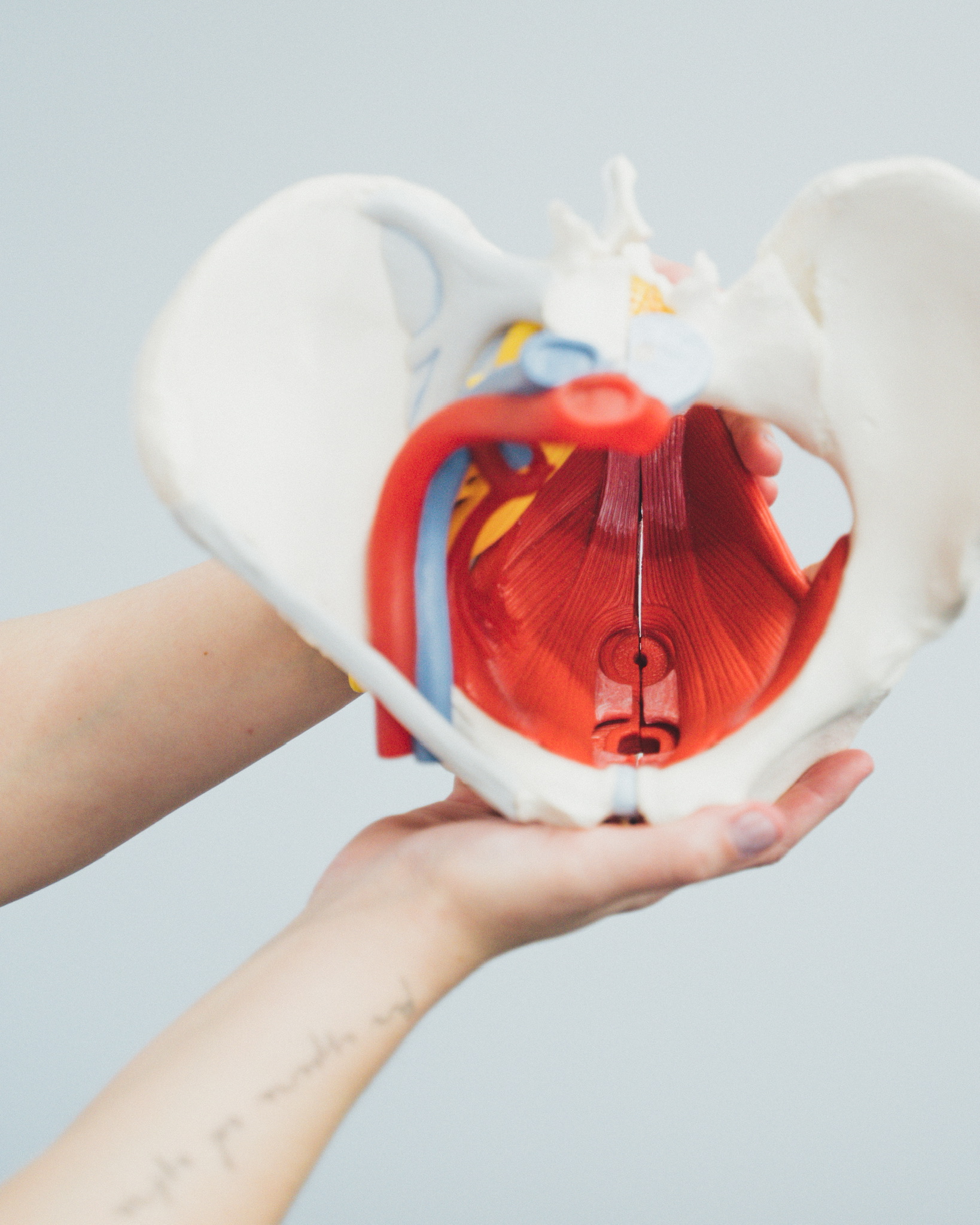
How do you do Kegel exercises—and why should you do them?
We'll go over how to do Kegel exercises correctly and how often
Choose Your Membership
Start a subscription to access all content in the app.
★★★★★ 4.9 · 650+ ratings on the App Store


