
ARTICLE > Running After Childbirth
Getting Back to Running After Childbirth - A Guide to Running After Pregnancy
Starting to run after giving birth can feel both exciting and a little daunting. Here, we’ll guide you through a safe way to get back into running after pregnancy so you can get started without putting your postpartum body at risk.
⭐️ Article at a glance
Wait 3 to 6 months before you start running after giving birth
The pelvic floor and abdomen need time to recover after childbirth
Start with running tests and intervals, not a full run
The" Return to Running " program provides you with a ready-made plan for building up your fitness and running strength
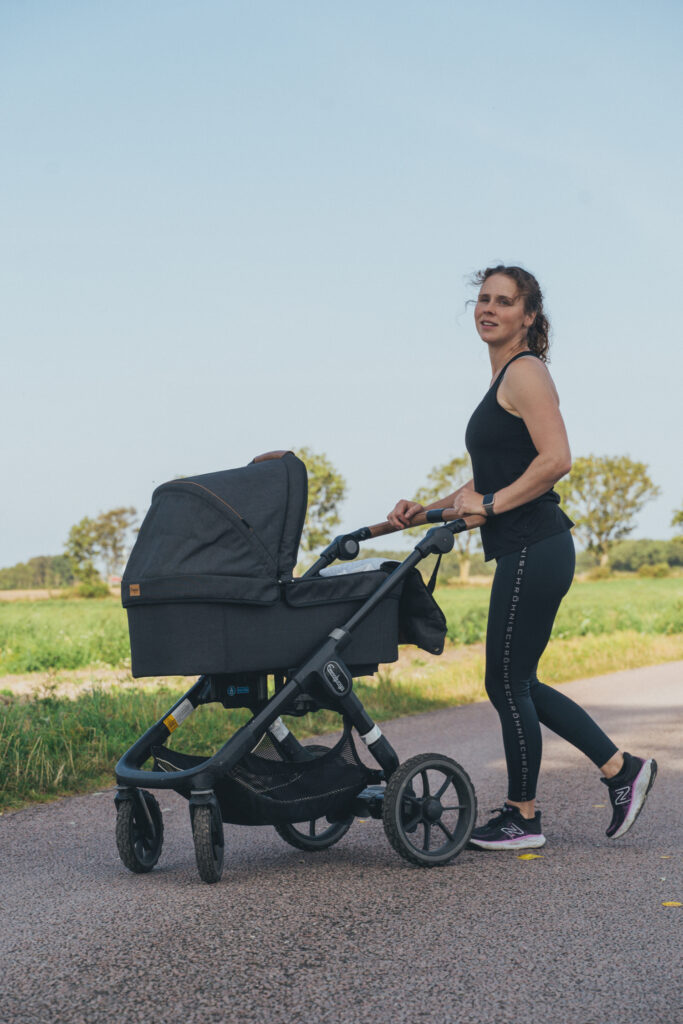
When can you start running after giving birth?
This is one of the most common questions we get, and our recommendation is to wait 3–6 months before resuming running after pregnancy. During that time, your body recovers significantly from the physical strain of pregnancy and childbirth, and we need to respect that!
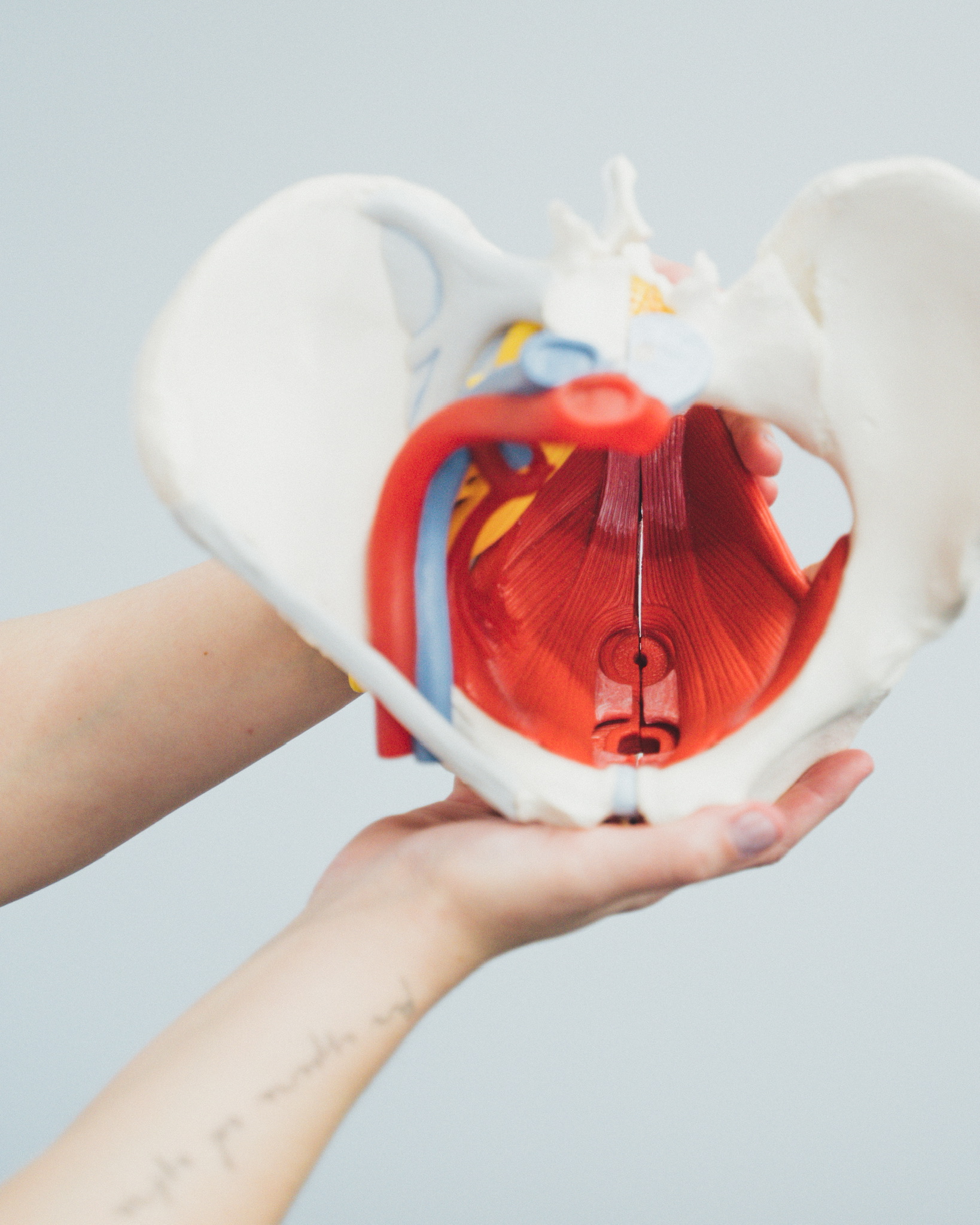
The pelvic floor has been supporting increased weight (such as the uterus and baby) for a long time, and must be able to handle the impact of each step when running. That’s why it’s important to give the tissues time to recover. This applies whether you gave birth vaginally or by C-section.
Many people feel ready to start running sooner than 3–6 months postpartum, but it’s a good idea to take it slow. Around three months after giving birth, it may be reasonable to try running cautiously, but that doesn’t mean you should jump right back into your old running routine.
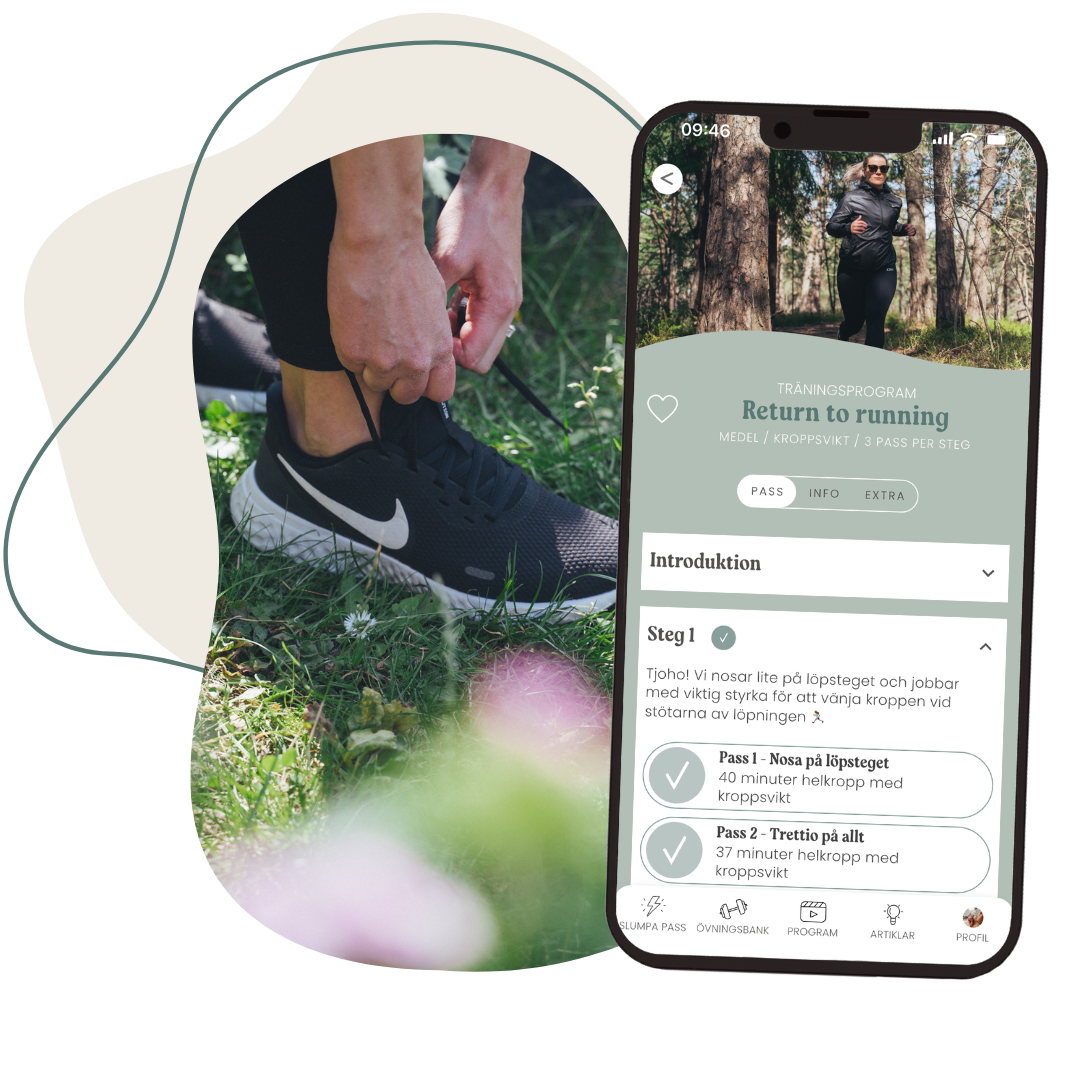
For those looking for a clear path to getting back into running after pregnancy, there’s the program Return to Running, which provides a concrete plan from the very first step all the way to being able to run for 30 minutes straight. All created by Mammaträning’s physical therapists with recognized training in women’s health—experts on the body during and after pregnancy!
💡 Tips from a physical therapist
- Build up your running slowly
- Strengthen your pelvic floor with Kegel exercises
- Breathe naturally and relax your stomach
- Choose a soft surface and good shoes
- Adjust the amount of running to a level that doesn't trigger your symptoms
Postpartum running: What does the body need to handle?
Pelvic floor
When running, the pelvic floor is subjected to repeated impacts. After pregnancy and childbirth, the pelvic floor is often weakened and needs to gradually get used to the strain. It is therefore not uncommon for symptoms such as urinary leakage or a feeling of heaviness to occur if you push yourself too hard when running postpartum.
Abdomen and core
Your abdominal muscles are still affected by pregnancy and may be both weaker and more stretched than before. This affects your body’s stability, especially when running, where rotational movements occur with every step.
Hips and pelvis
Running after pregnancy requires strength in the hips, glutes, and thighs. Have you experienced joint pain , running can trigger discomfort, which means that a period of strength training is often a good investment before you start running again. That’s exactly why running training is combined with core strength in the program Return to Running, so that your postpartum body has the right foundation throughout the process.
Return to Running
A program that gradually builds running strength and endurance after pregnancy— all tailored to the postpartum body!
When are you ready to start running again after pregnancy?
It can be tempting to just lace up your shoes and head out, but before you start running after giving birth, it’s a good idea to listen to your body.
- How does your pelvic floor feel?
- Do you experience any heaviness, pain, or leakage?
If the answer is yes, it might be better to focus on building up your body through strength training first.
However, if you feel stable and symptom-free, you can start trying out postpartum running. A good rule of thumb is that you can manage walks, balance exercises, and simple strength exercises without any discomfort. In the app, we have a video tutorial where physical therapist Viveka walks you through all the running tests!
How do you start running after giving birth?
When you’re ready to start running after giving birth, it’s important not to push yourself too hard. Your postpartum body needs to get used to the physical strain gradually. A gentle way to start running after pregnancy is to alternate between short intervals of jogging and walking. This way, you’ll build both strength and endurance without overloading your body.
In the program Return to Running , you start with as little as 20 seconds of running and gradually build up to 30 minutes of continuous running. The program was developed by physical therapists specializing in women’s health, with a thorough understanding of the pelvic floor, core, and the postpartum body.
Can you run even if you're in pain?
Many people who want to start running again after having a baby worry if their body doesn’t feel quite the same as before. But experiencing some symptoms doesn’t always mean you have to stop.
Postpartum running sometimes needs to be adapted and ramped up more gradually. If you experience increased discomfort such as pain, a feeling of heaviness, or leakage, you’ll need to adjust the intensity. A structured program like Return to Running can be a great source of reassurance, since you won’t have to guess how quickly you can increase your intensity.

Article written by:
Carolina Jozic
Physiotherapist
⚡️ Download Mammaträning
- Exercise programs created by physiotherapists for the different levels of the pregnancy and postpartum journey
- 2000+ workouts at your level, with the equipment you have at home
- 120 articles about the body, exercise and running during and after pregnancy
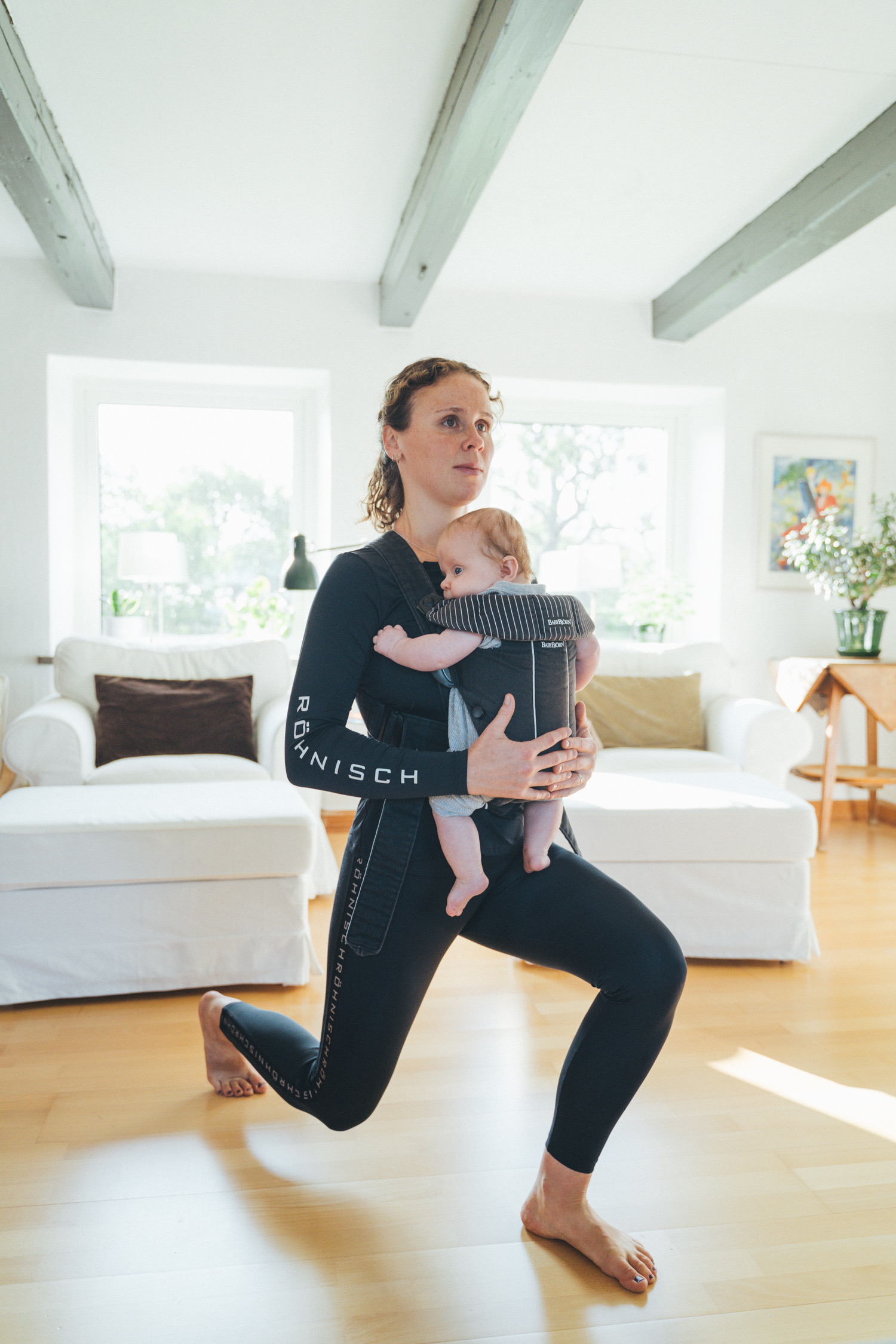
How do you do Kegel exercises—and why should you do them?
We'll go over how to do Kegel exercises correctly and how often