pixel

ARTICLE > Kegel Exercises

How do you do Kegel exercises—and why should I do them?

Kegel exercises—or pelvic floor exercises, as they’re actually called—are one of the simplest and most effective ways to combat urinary incontinence. After all, it’s not exactly fun to leak every time we cough, laugh, or jump… So in this article, we’ll give you tips on how to do Kegel exercises using the right technique to achieve the best results. 

⚡️ Article in Brief 

  • Kegel exercises can prevent and relieve urinary incontinence, both during and after pregnancy
  • The right technique: squeeze from back to front, as if you're holding in a fart and lifting a tampon upward
  • 10 squeezes, 1–3 times a day, are enough for most people, but this isn't recommended if you have a tight pelvic floor

Why should you do Kegel exercises?

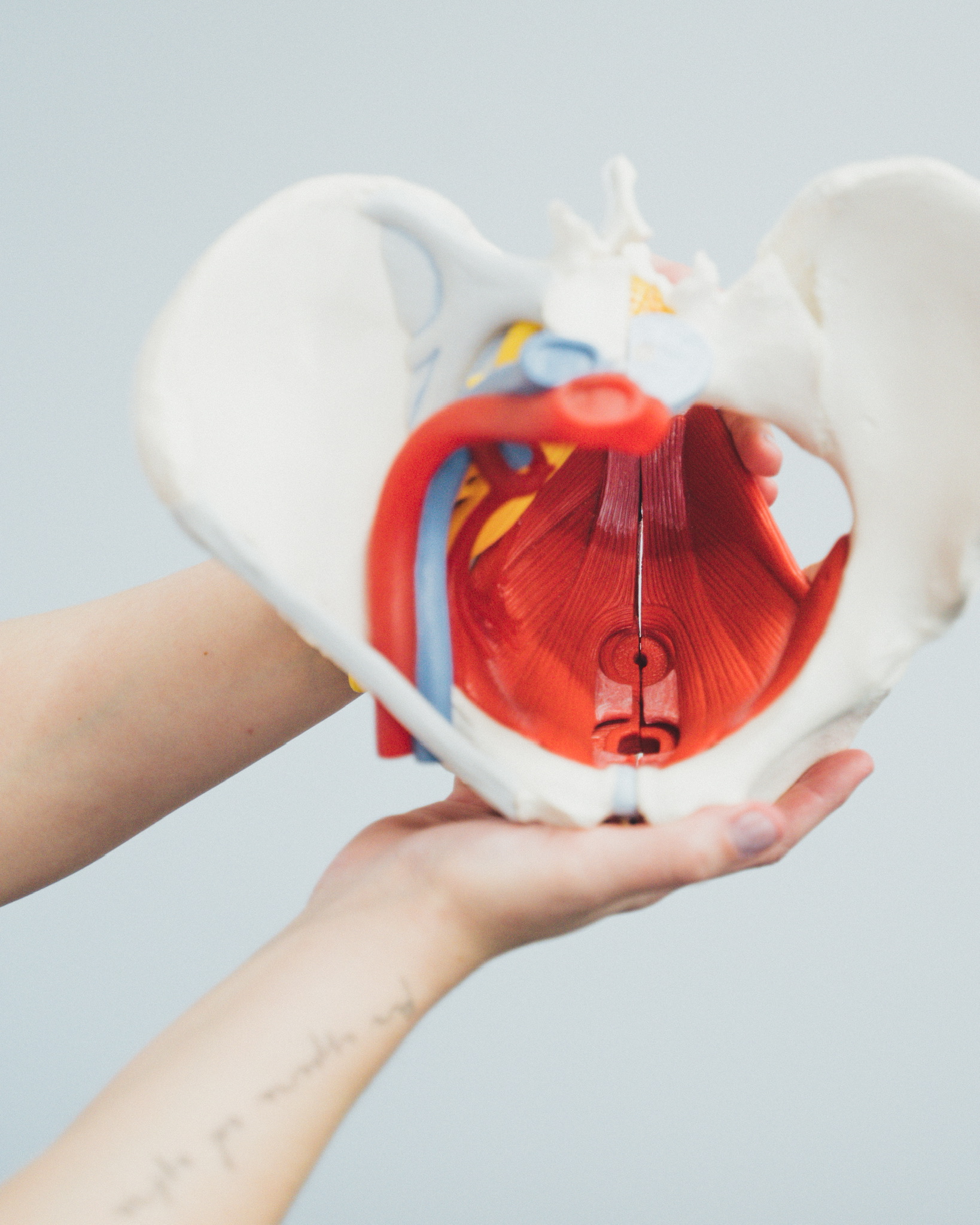
Kegel exercises can help both prevent and relieve urinary incontinence even during pregnancy. The pelvic floor is the group of muscles that, among other things, resists pressure from the abdomen and helps you stay dry.

In fact, we can help reduce urinary leakage during the first 3–6 months after childbirth—if we’ve done Kegel exercises during pregnancy.

After giving birth, Kegel exercises are more about rebuilding function, muscle memory, and strength in your muscles. By this, we mean that you should be able to engage your muscles at the right moment—for example, just before you cough, sneeze, or lift something heavy—which in itself can make a big difference in preventing leakage in your daily life

How do you do Kegel exercises?

Here's how to do a kegel:

  • Lie down (or sit comfortably)
  • Start with a light squeeze from behind, as if you were holding in a fart
  • Keep squeezing forward around the vagina and urethra
  • Imagine you are going to pull something up inside - like a tampon
  • Breathe calmly at all times

Does it feel difficult? Then try putting a finger in your vagina to feel it bothtightenandlift upward. 

💖 Questions & Answers

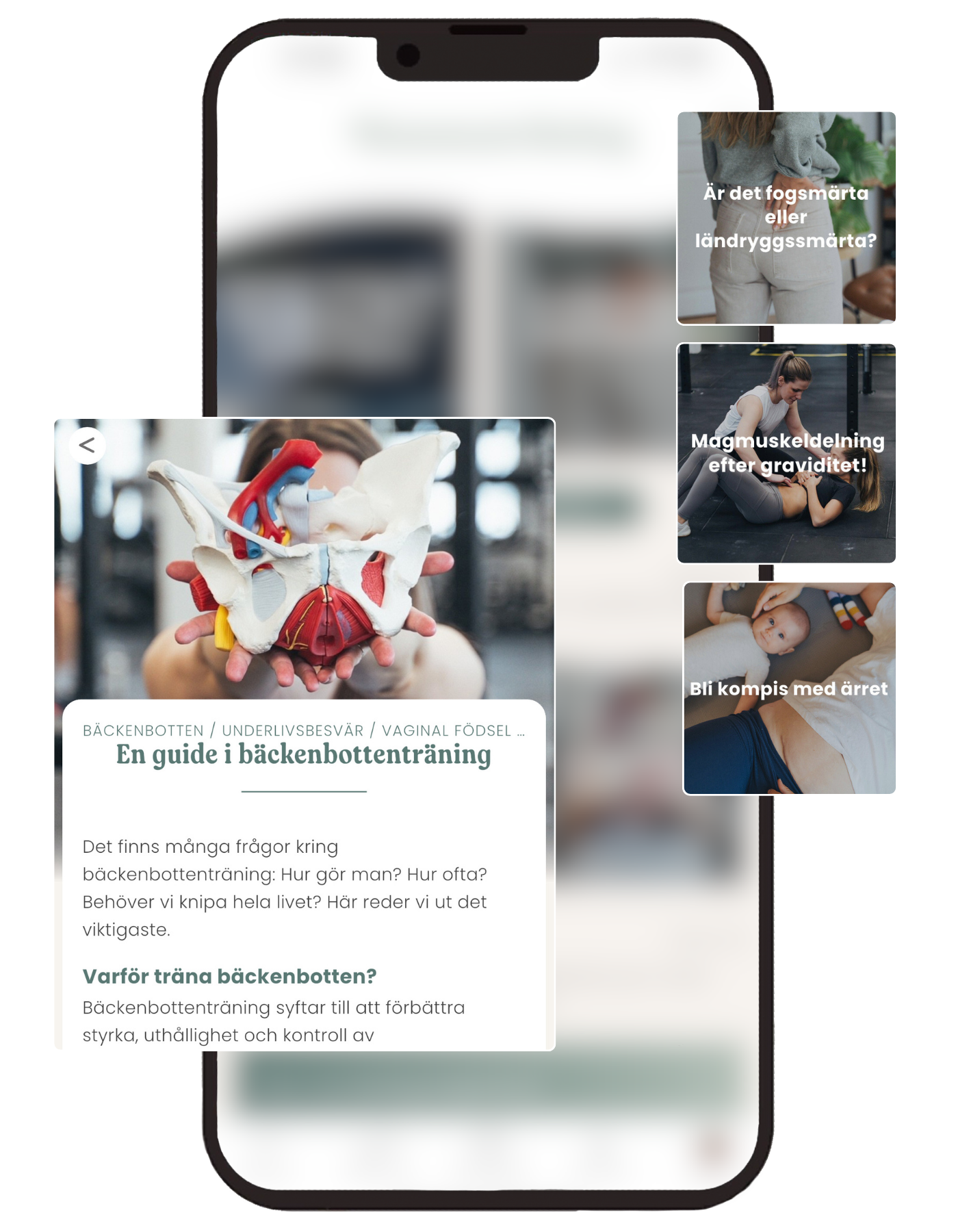
The " Mammaträning " app features over 120 articles and video lectures on everything related to the female body, both before and after childbirth. You can already find our most frequently asked questions in our FAQ section.

mammatraning-squeeze training

How often and for how long should I do Kegel exercises?

You don’t need to do Kegel exercises for very long for them to make a difference. A good guideline is 10 Kegel exercises, 1–3 times a day. If you’d like a slightly more structured plan to follow, aim for 10 Kegel exercises, 3 times a day, with each contraction held for about 6 seconds and followed by a relaxation period of at least the same length.

Could Kegel exercises be bad for you?

Yes, that could actually be the case. Do you have a tight pelvic floor or a lot of pain in your lower abdomen, Kegel exercises can sometimes make the symptoms worse instead of helping. In that case, it’s often better to focus on relaxing your pelvic floor—sometimes in combination with Kegel exercises and sometimes without them at all. It’s best to have this assessed by a pelvic floor physical therapist so you don’t have to guess what to do.

We're with you every step of the way

The app Mammaträning features a whole collection of articles on the pelvic floor, discomfort, muscle tension, and Kegel exercises, as well as exercise programs tailored to your current fitness level. If you have any specific questions about the female body before or after pregnancy, please feel free to reach out—we physical therapists will be happy to add more articles.

Article written by

Carolina Jozic 

Physiotherapist

⚡️ Download Mammaträning

  • Exercise programs created by physiotherapists for the different levels of the pregnancy and postpartum journey
  • 2000+ workouts at your level, with the equipment you have at home
  • 120 articles about the body, exercise and running during and after pregnancy

Choose Your Membership

Start a subscription to access all content in the app.

Monthly

/month

7-day free trial period,
then €15/month.

Quarterly

SAVE 10%
-10%

/quarter

7-day trial period,
then €40/quarter.

Yearly

SAVE 20 %
-20%

/year

7 days trial period,
then €144/year.

Monthly

€15/month

7 days free trial period, then €15/month.

Quarterly

€40/qua.

7 days free trial period, then €40/quarter.

Yearly

€144/year

7 days free trial period, then €144/year.